Source worsted hip hop slim trousers for Fitness Gym Yoga
Compare 30 listings of worsted hip hop slim trousers from verified Chinese suppliers. Buyers can evaluate fabric types, customization options, and pricing to find suitable athletic wear for fitness, gym, and yoga activities; compare the available evidence and request quotations based on your requirements.
Key considerations
Products List


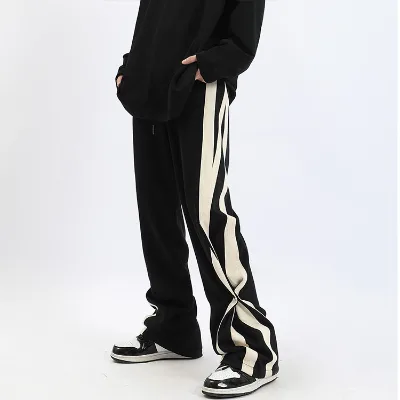


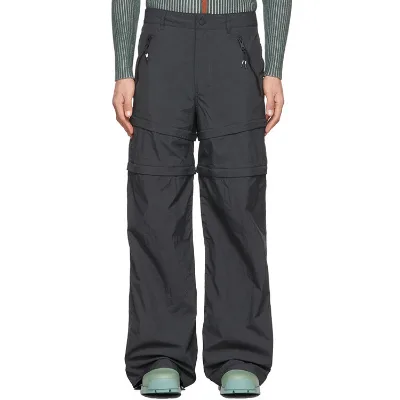


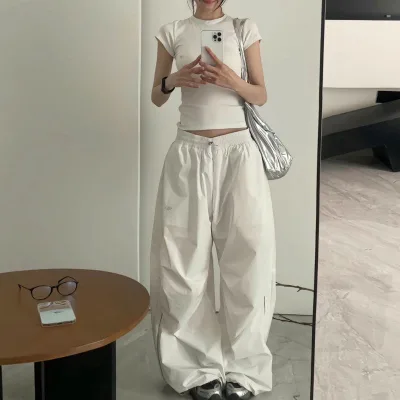
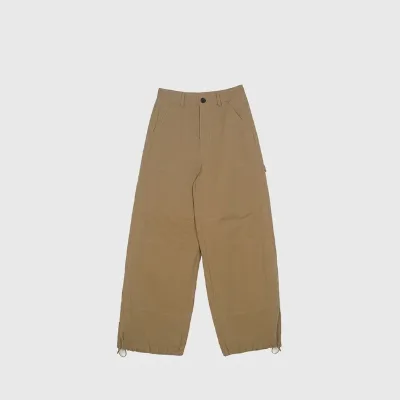



Comprehensive Sourcing Guide
Worsted Hip Hop Slim Trousers Sourcing Guide
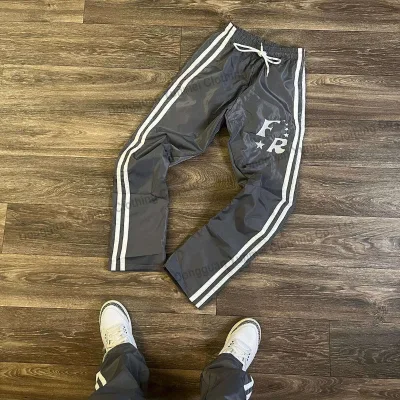
Sourcing worsted hip hop slim trousers requires distinguishing between traditional worsted wool constructions and the modern cotton or blended athletic fabrics often marketed under similar streetwear aesthetics. The supplied data indicates a prevalence of cotton and woolen fabric types, with specific listings noting "Men sweatpants" and "Athletic" styles rather than classic worsted suiting. Buyers must verify if the "worsted" descriptor refers to a specific yarn-dyed finish or a marketing term for the slim, straight fit observed in the product attributes.
Procurement teams should prioritize suppliers who explicitly define their fabric composition, as the observed listings range from 100% cotton to woolen blends. The presence of "Yarn Dyed" techniques and "Automated Cutting" suggests a capacity for consistent color and precise tailoring, which are essential for the slim silhouette required in hip hop fashion. Clarifying the exact weave and fiber content prevents mismatches between the expected drape of worsted wool and the actual performance of the cotton or knit materials available in the current market.
Product Scope and Observed Listing Signals
The current market signals for hip hop trousers reveal a diverse range of styles, including wide-leg pants and straight-fit options, alongside specific athletic applications like fitness and gym use. While the core keyword implies a slim cut, the observed data includes "Wide Leg Pants" and "Straight" fits, indicating that buyers must carefully filter listings to find the specific slim profile required for their collection. The availability of customization for logos and patterns suggests that many suppliers offer tailored solutions for streetwear brands seeking unique visual identities.
Listing signals also highlight significant variability in packaging and unit weights, with some items packed individually in polybags while others are grouped in larger cartons. The observed single package sizes and gross weights provide critical data for logistics planning, ensuring that the chosen supplier can meet specific shipping volume requirements. Buyers should cross-reference the "Supply Type" of in-stock items against ODM capabilities to determine if immediate delivery or custom production timelines better suit their launch schedule.
Technical Specifications to Verify
Verifying technical specifications is critical when sourcing trousers that must balance streetwear aesthetics with functional durability. The observed data lists multiple size ranges, from S-M-L to extended sizes up to 4XL, alongside specific waist designs like elastic and mid-waist types. Buyers must confirm that the "Straight" fit and "Elastic" waist design align with the intended silhouette, as the combination of these attributes can significantly alter the final look and comfort of the garment.
Fabric construction details such as "Yarn Dyed" and "Knitted" weaving methods require close scrutiny to ensure the material meets the desired texture and breathability standards. The presence of "Midweight" thickness and features like "Anti-static" properties indicates specific performance capabilities that must be validated against the target market's climate and usage scenarios. Additionally, the "Drawstring" closure type and "Flat" front style are essential design elements that define the functional utility of the trousers for active wear.
Compliance and Safety Documentation
While the supplied facts do not explicitly confirm specific certification statuses, buyers should proactively request documentation for safety and ethical compliance, particularly given the global nature of the supply chain. The low-confidence background mentions BSCI and FSC, which are relevant for social responsibility and sustainable sourcing, but these should not be assumed without verified proof from the supplier. Ensuring that the production facilities adhere to recognized labor standards is essential for maintaining brand integrity and avoiding supply chain disruptions.
Safety documentation must also cover material safety, especially regarding dyes and finishes used in the "Yarn Dyed" and "Print/embroidery/washed" processes. Buyers should verify that the cotton and woolen materials used meet international safety standards for chemical residues, as these are common concerns in textile manufacturing. Requesting test reports for flammability and colorfastness ensures that the finished trousers will withstand the rigors of daily wear and washing without compromising consumer safety.
Cost Drivers and Commercial Terms
Cost drivers for hip hop trousers are heavily influenced by the complexity of customization, fabric composition, and order volume. The observed MOQ range spans from 1 to 2000 pieces, with specific listings noting a 50-piece minimum, allowing flexibility for both small startups and larger retailers. Buyers must evaluate how the "Automated Cutting" and "Yarn Dyed" techniques impact unit costs, as these processes often require higher initial setup fees but can reduce long-term production expenses through efficiency.
Commercial terms regarding lead times and sample availability are equally critical for planning inventory and market launches. The data indicates a sample time of 7-15 days with support for 7-day sample order lead times, which facilitates rapid prototyping and design validation. However, the production time of 20-30 days for bulk orders requires careful scheduling to ensure timely delivery. Negotiating clear terms for payment, shipping, and quality acceptance criteria is essential to mitigate financial risks associated with these timelines.
Supplier Qualification and Quality Control
Qualifying suppliers for hip hop trousers involves assessing their production capacity and consistency in delivering the specific "Athletic" and "Men sweatpants" styles observed in the market. The presence of "Automated Cutting" and "Yarn Dyed" techniques suggests a level of technological sophistication that can support high-volume orders with consistent quality. Buyers should verify the supplier's ability to maintain the "Straight" fit and "Elastic" waist design across different batches to ensure product uniformity.
Quality control protocols must address the specific attributes of the trousers, such as the "Patchwork" decoration and "Wide Leg" or "Slim" variations. Inspecting the "Single gross weight" and "Single package size" helps verify that the packaging and product dimensions match the agreed specifications. Establishing a clear quality assurance process that includes pre-production samples and in-line inspections is vital to prevent defects in the final shipment and ensure customer satisfaction.
Long-Term Procurement Checks
Establishing a long-term procurement strategy requires regular audits of supplier performance and adherence to evolving market trends. The observed "Four season" usage and "Spring" seasonality indicate that buyers should plan for year-round demand, ensuring that the supplier can maintain consistent stock levels and production capacity. Regularly reviewing the "Supply Type" of in-stock items versus ODM capabilities helps adapt to changing inventory needs and market fluctuations.
Continuous monitoring of product attributes, such as fabric type and style variations, ensures that the sourcing strategy remains aligned with consumer preferences. Buyers should track the performance of specific models like BSNX483 and BSNX347 to identify which designs resonate most with their target audience. Maintaining open communication with suppliers regarding new technologies and material innovations will help sustain a competitive edge in the dynamic hip hop fashion market.
FAQs
Can I customize the logo on these trousers?
Yes, custom logos are accepted for these trousers. The product page explicitly states that custom logo options are available for buyers. This allows brands to personalize the athletic wear with their own identity. You can work with the supplier to apply your design, ensuring the final product matches your brand requirements effectively.
What fabric is used for these athletic trousers?
These trousers are made from cotton fabric. The product attributes specify cotton as the primary material, offering comfort and breathability for fitness and gym use. Some listings also mention 100% cotton composition. This natural fiber choice supports the athletic style and ensures the garments are suitable for active wear and daily training sessions.
What is the minimum order quantity for these items?
The minimum order quantity is 50 pieces. This MOQ is explicitly listed in the product attributes. Buyers can start with this quantity to test the market or fulfill small orders. The supply type is listed as an in-stock item, which may facilitate quicker fulfillment once the minimum threshold is met by the purchaser.
How long does sample production take?
Sample production takes 7 to 15 days. This timeframe is stated in the product attributes for sample orders. The supplier supports a 7-day sample order lead time, which helps buyers evaluate quality quickly. This duration allows for reasonable planning when requesting prototypes before committing to larger bulk production runs for your specific needs.
Where are these trousers manufactured?
These trousers are manufactured in China. The product origin is listed as China, with specific mentions of Zhejiang and Guangdong provinces. This location data helps buyers assess logistics and shipping times. The manufacturing base supports the production of these athletic trousers, ensuring access to established supply chains and production capabilities for global distribution.
What sizes are available for these trousers?
Available sizes include XS, S, M, L, XL, 2XL, 3XL, and 4XL. The product specifications list a wide range of sizes to accommodate different body types. Some listings also mention M-L-XL-XXL standards. This variety ensures that buyers can find the correct fit for their target demographic, supporting the straight fit and athletic style of the garment.